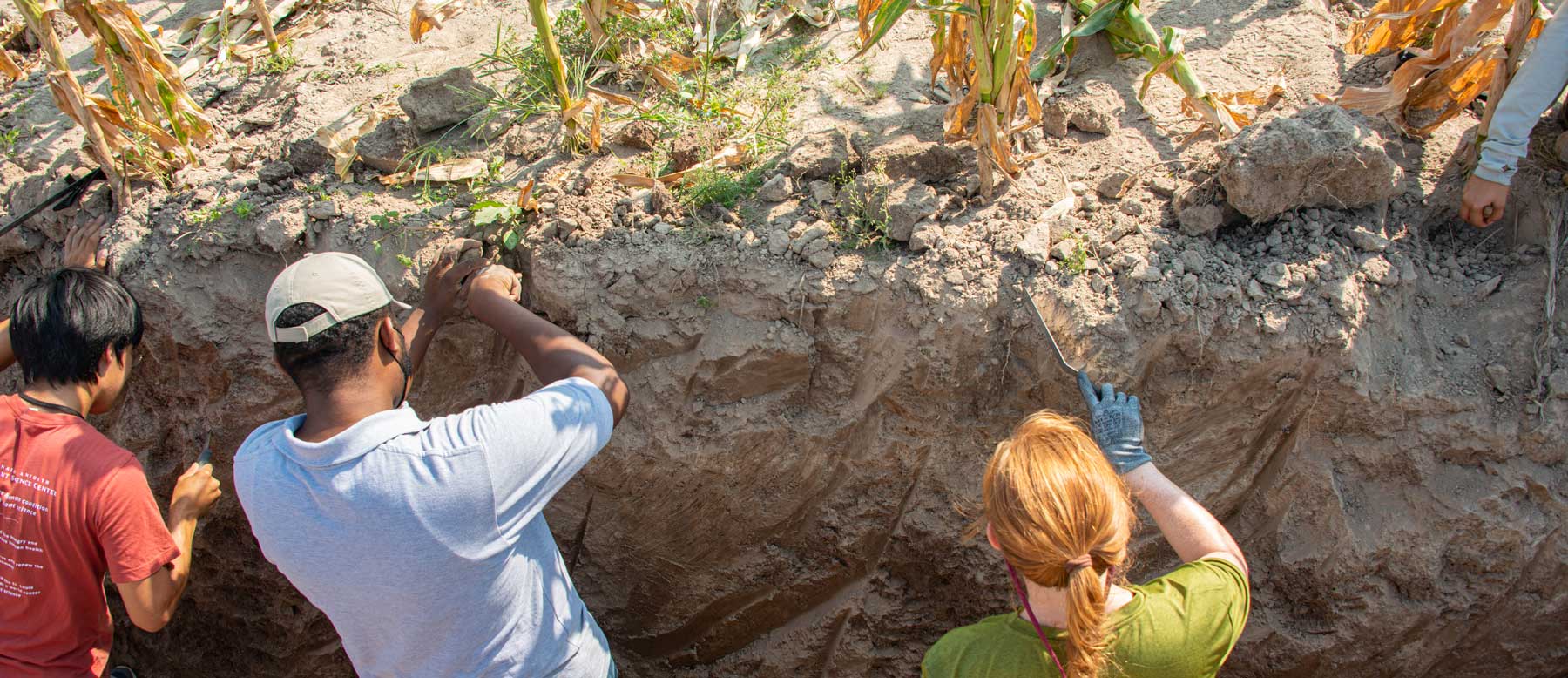
Reducing Nitrogen for a Healthier Planet
Synthetic nitrogen fertilizer is a major contributor to climate change and environmental pollution. The Subterranean Influences on Nitrogen and Carbon (SINC) Center is a new center of excellence dedicated to developing technology that will reduce the amount of chemical nitrogen fertilizer used in agriculture without sacrificing crop yield.
Subterranean Influences on Nitrogen and Carbon (SINC) Center
Nitrogen is essential for all life on Earth but is mostly found in chemical forms that crops cannot use. As a result, it is a common agricultural practice to apply synthetic nitrogen fertilizer to crops in order to produce enough food to feed our planet. This widespread practice is expensive for farmers while also negatively impacting our environment. Excess nitrogen applied to fields pollutes the environment through runoff into waterways and oceans.
Danforth Center scientists want to create a better solution. The Subterranean Influences on Nitrogen and Carbon (SINC) Center aims to develop technologies to decrease the use of nitrogen fertilizer by 12% without the loss of crop productivity.
To do this, the SINC team is working to develop a deeper understanding of the symbiotic relationship between plants and the microbes in the soil that convert atmospheric nitrogen into forms that can be used by plants. Using cutting-edge technologies across a cross-disciplinary research team, the SINC team will harness the power of plants and microbes to improve nitrogen uptake and use efficiency.
Beneficial microbes and cover crops represent an untapped frontier for next generation agriculture that promotes fewer farm inputs and enables land stewardship, without sacrificing yields needed to feed the world.
Doug Allen, PhD
Mitigating environmental threats may have a simpler solution than you might imagine. At SINC, we’re exploring the underlying principles of cover crop genetics and root systems to create a sustainable future.
Ivan Baxter, PhD
Optimize Plant Genetics
The SINC team will identify traits that allow plants to uptake and use nitrogen more efficiently as well as form symbiotic relationships with microbes.
Promote Beneficial Microbe-Plant Interactions
The team will also discover novel microbes that supply nitrogen to their plant hosts and/or increase nitrogen uptake efficiency.
Develop New Technologies
New technologies will help SINC scientists discover the factors that govern symbiotic microbial colonization and persistence of plants and nitrogen-carbon flux through complex systems.
Develop New and Better Cover Crops
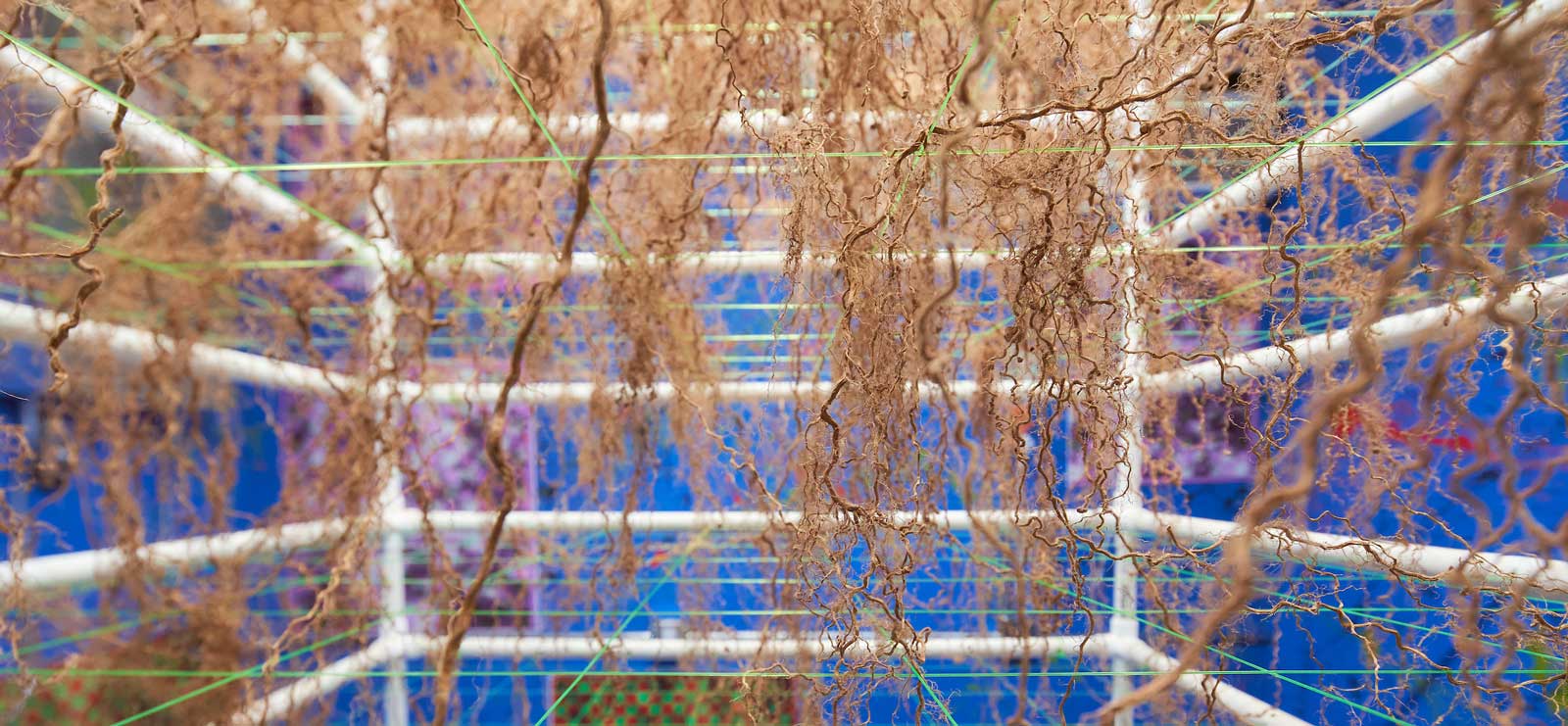
SINC scientists will explore new and improved varieties of cover crops that provide key ecosystem services including, retaining nutrients in the soil and enhancing soil fertility, capturing carbon and excess nitrogen and improving water flow and runoff.
Meet the SINC Center Co-Directors
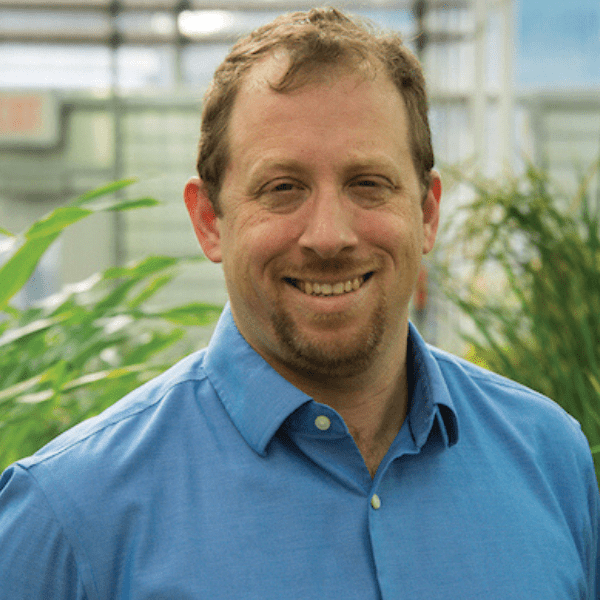
Ivan Baxter, PhD
Member

Doug Allen, PhD
Member
SINC Center Principal Investigators

Allison Miller, PhD
Member, Vice President of Research, Professor Biology, Saint Louis University
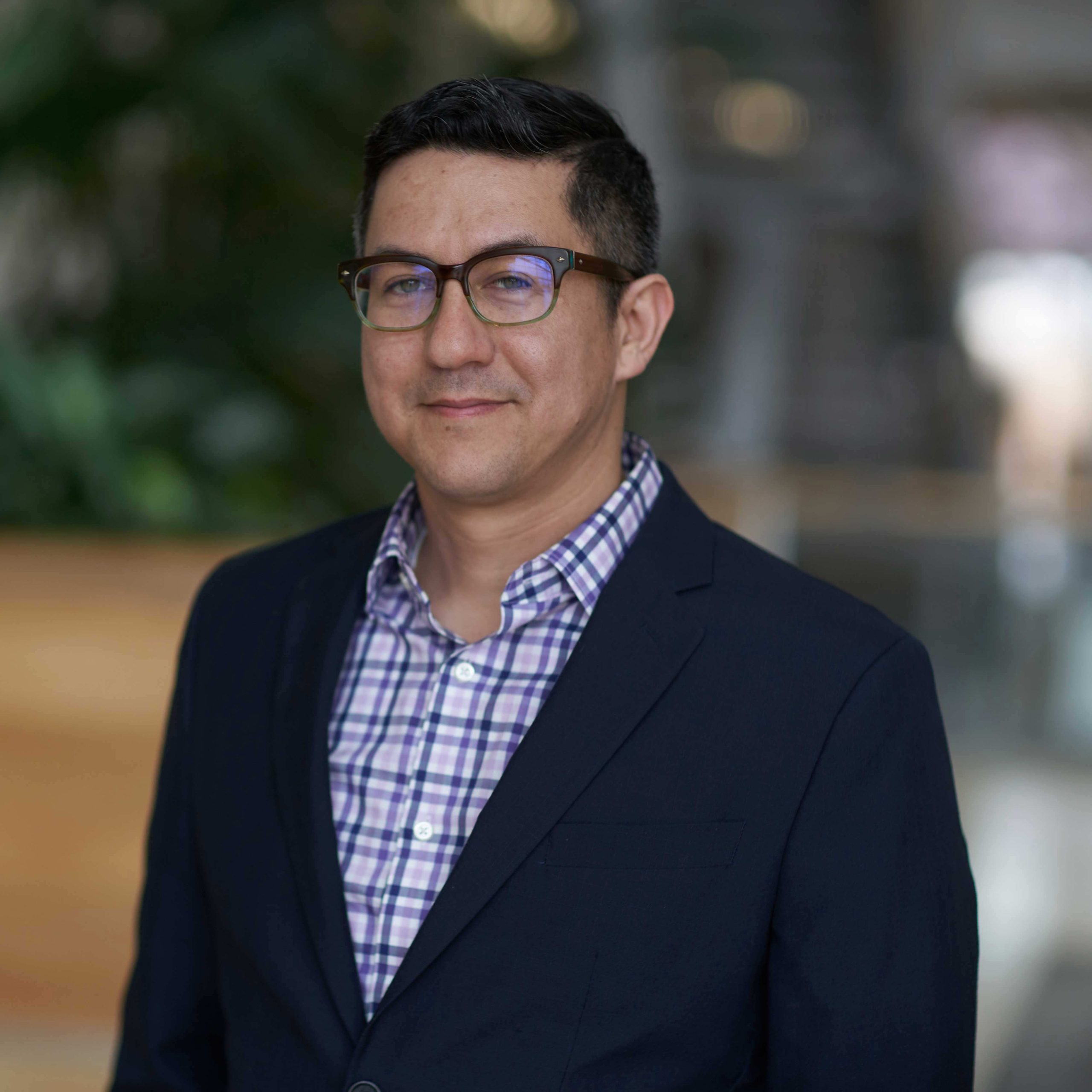
Dmitri Nusinow, PhD
Member
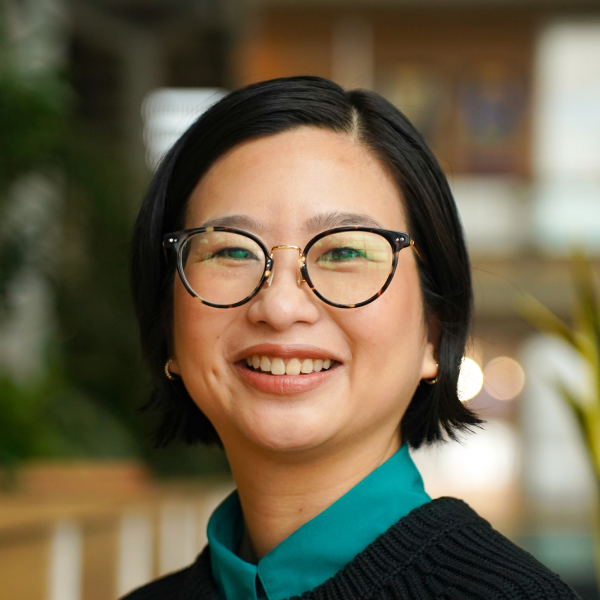
Malia Gehan, PhD
Associate Member
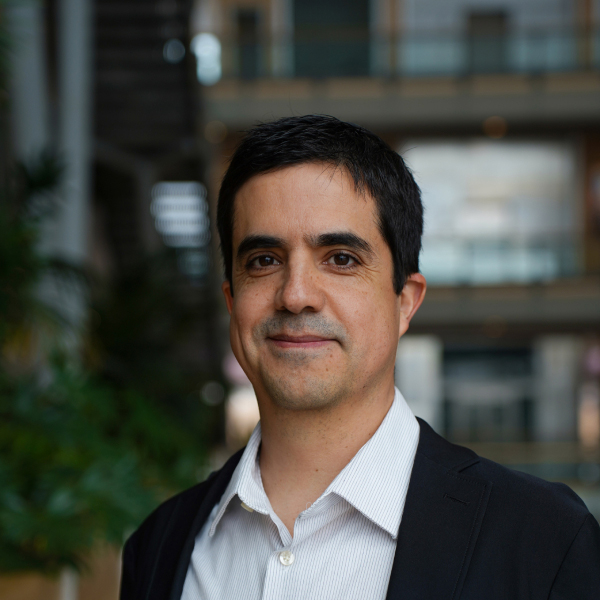
Armando Bravo, PhD
Assistant Member

Katie Murphy, PhD
Director, Phenotyping Facility

Molly Hanlon, PhD
Senior Research Scientist