Opening Doors to Plant Science: JJK FAN Summer Interns Explore Careers in Science and Agriculture
For young people considering their futures, it can be difficult to imagine a career they have never had the opportunity to see firsthand.
This summer, the Danforth Center’s JJK FAN Summer Internship Program, funded by Boeing and CoBank, helped six students from Cahokia Heights, East St. Louis, and St. Louis City do exactly that. During the nine-week experience, students explored how plant science, agriculture, food systems, technology, and other fields connect—and the many career paths within them.
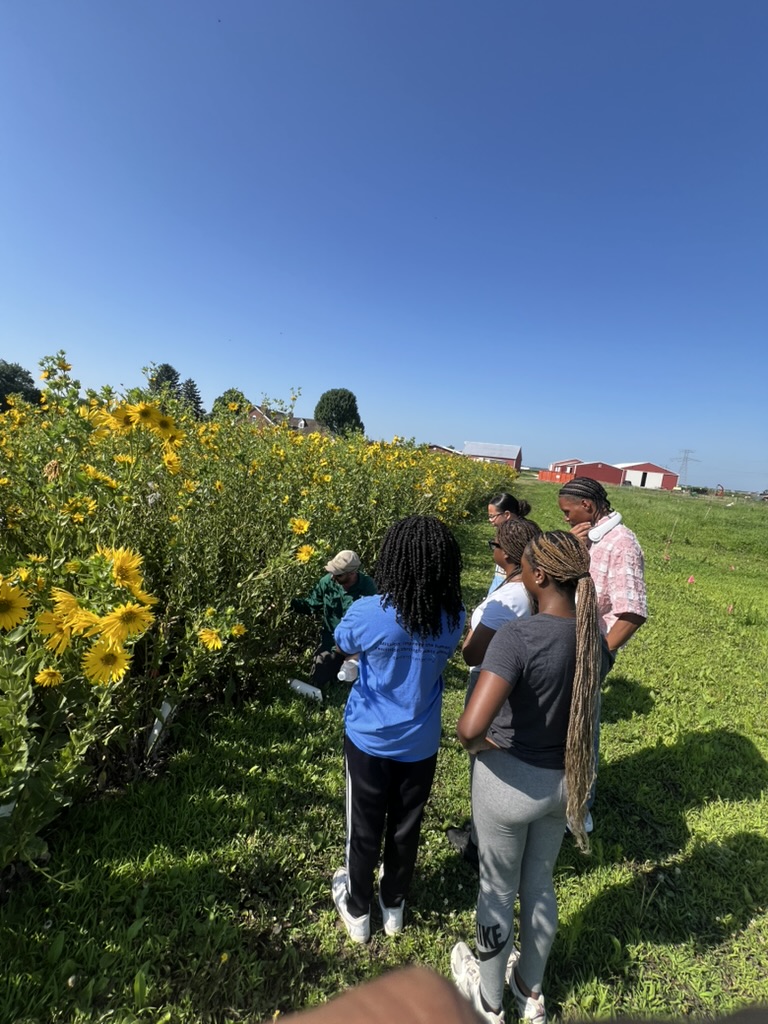
Cody Bagnall, the Danforth Center's Field Research Site Director, gave the interns a tour of the field site.
Two Pathways into Science
For the first time, the program offered two different internship pathways. Led by Kurly D. Taylor Jr., MPA, strategic partnership manager, the nine-week program gave students opportunities to explore plant science, agriculture, food systems, and related careers through research, professional development, and field experiences.
Five students participated in an interdisciplinary experience combining research, professional development, field trips, and career exploration. A sixth student worked directly in the laboratory of Danforth Center principal investigator Armando Bravo, PhD, gaining hands-on experience with plant science research.
In the Bravo Lab, the intern participated in experiments connected to the lab’s ongoing work in plant science and experienced the day-to-day process of scientific research—from asking questions and following experimental protocols to observing results and learning alongside scientists.
“A real hands-on research experience in a lab gives students a very different appreciation of science than they can get in a classroom,” said Bravo. “They see that scientific discovery is a process of asking questions, discussing and testing ideas, learning from results, and working alongside other scientists. More importantly, they learn that science is driven by curiosity and creativity and grounded in careful observation, experimentation, and evidence.”
The laboratory experience complemented the broader internship, creating opportunities for students at different stages of interest to explore science and agriculture at the depth that was right for them.
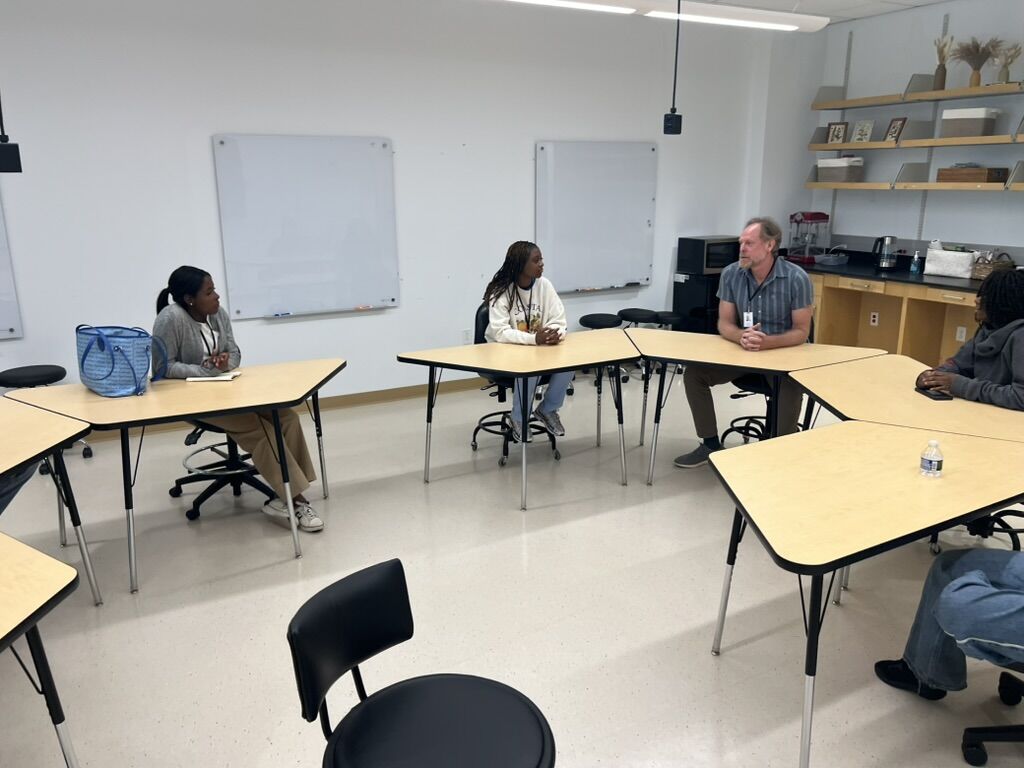
Interns had lunch with Dr. Giles Oldroyd, President of the Donald Danforth Plant Science Center. He shared how the organization helps develop the next generation of plant scientists.
Growing Possibilities
Across the summer, interns met scientists and professionals, visited organizations throughout the St. Louis region, and explored the wide range of careers connected to agriculture and food systems. That exposure matters because modern agriculture requires far more than farming. Plant scientists, biologists, engineers, data scientists, entrepreneurs, educators, nutrition specialists, and many others contribute to the systems that produce food and address challenges such as environmental sustainability and food security.
Interns also developed practical skills they can carry into college and the workplace. Through six professional development workshops, they practiced communicating with professionals, collaborating with others, presenting information, asking questions, and navigating new environments. All six students earned GoldStar Hospitality Certification.
The interdisciplinary cohort also developed a research project examining the relationship between limited access to healthy food, food disparities, and adolescent mental health in the St. Louis region. The project introduced students to the research process and encouraged them to investigate a challenge affecting their own communities.
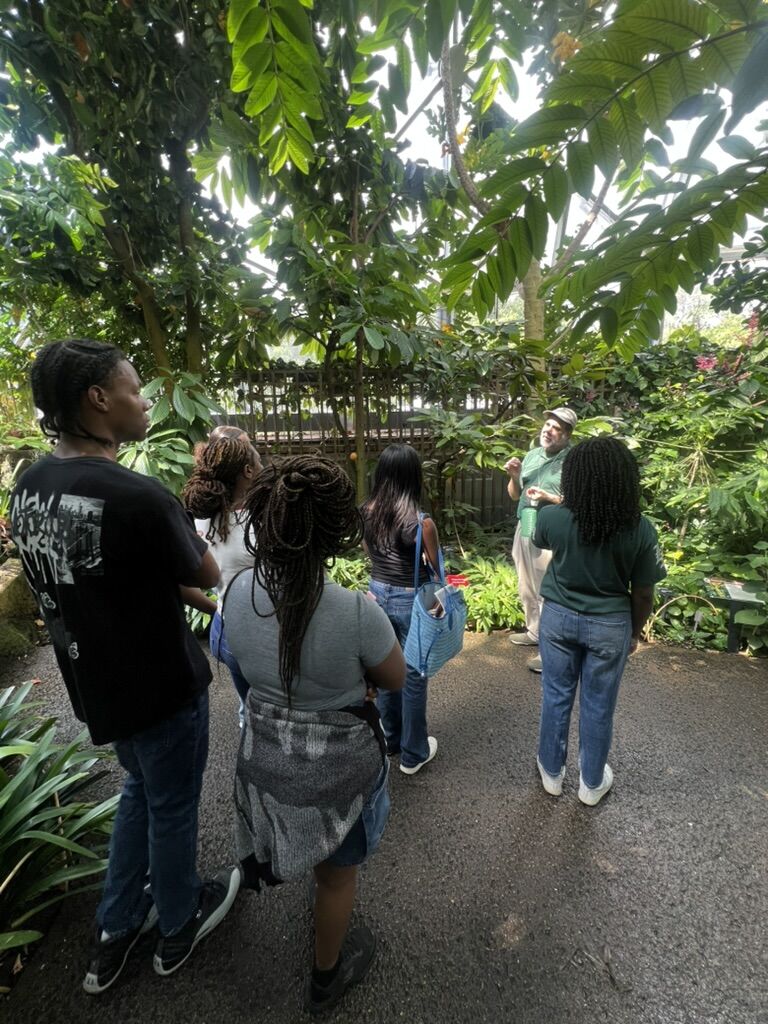
The Missouri Botanical Garden welcomed the JJK FAN summer interns for a tour.
Empowering the Next Generation
By the end of the summer, interns had visited 11 organizations and institutions and connected with more than 20 professionals through workshops, career conversations, laboratory experiences, and site visits.
One intern reflected: “This internship really opened me up to how agriculture is important in our everyday lives. I now see that it is more than farming and that it affects all aspects of our lives.” For Taylor, who led the summer program, helping students make those connections was central to the experience.
“Our goal was to give students meaningful opportunities to explore what careers in plant science, agriculture, and food systems can actually look like,” said Taylor. “Over nine weeks, they met professionals, conducted research, built workplace skills, and stepped into environments that may have been completely new to them. Seeing their confidence and curiosity grow throughout the summer was incredibly rewarding.”
That growth reflects a larger goal of the Danforth Center’s outreach and education efforts: helping young people recognize that careers in plant science and agriculture are varied, relevant, and within their reach.
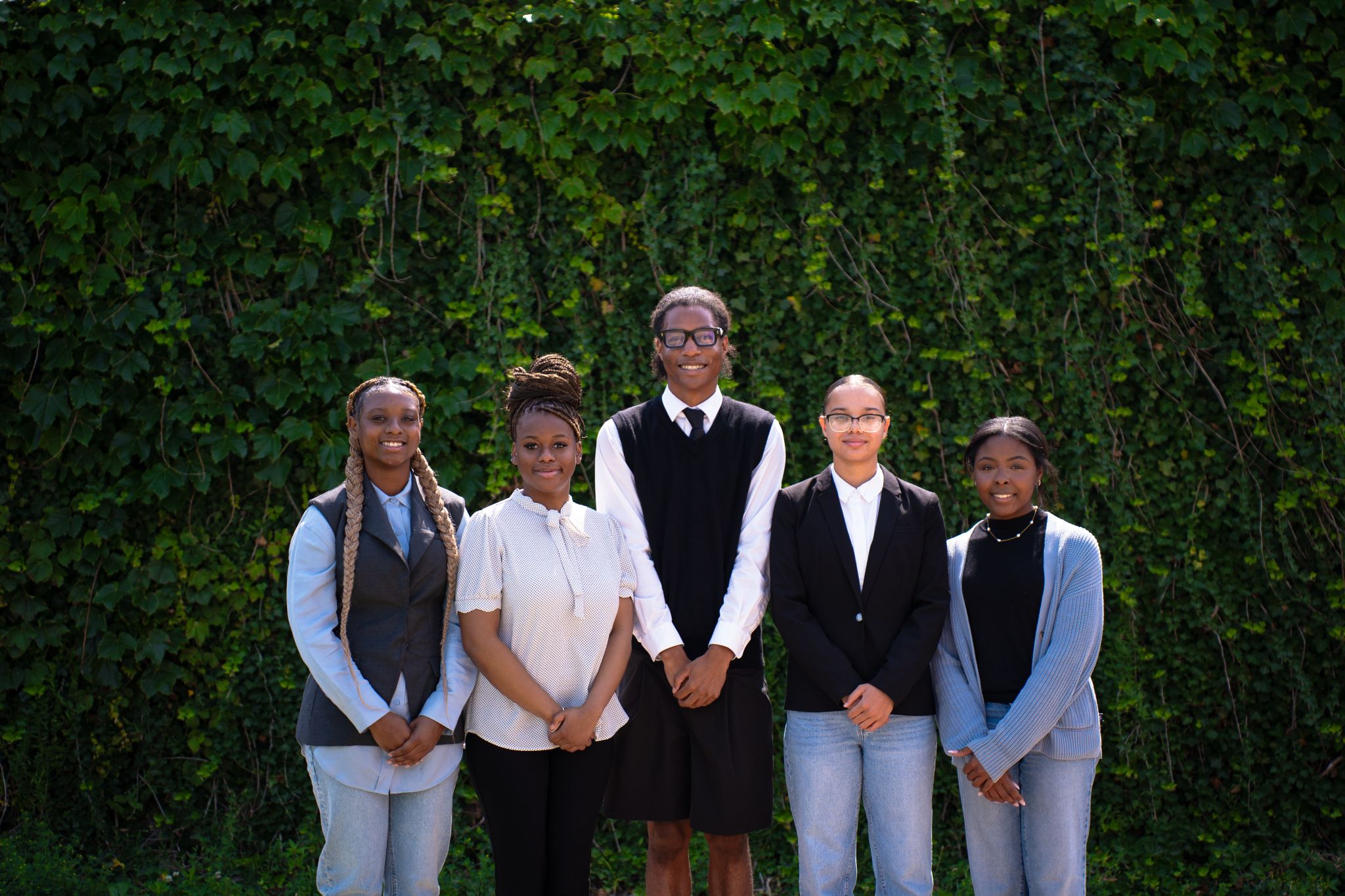
Each intern received their first professional headshot.
Sponsored By


Thank you to Boeing and CoBank for making the internship program possible, and to the organizations, scientists, educators, professionals, and community partners who helped create these experiences:
- Beacon Hill
- BioSTL
- Cortex Innovation District
- Harris-Stowe State University
- Missouri Botanical Garden
- Missouri History Museum
- Neon Greens
- St. Clair County Intergovernmental Grants
- Orlet Family Farm
- Regions Bank
- T-REX Geospatial
- University Health Sciences
- University of Illinois Extension
- Washington University Biology Department