Field and Laboratory Learning in Plant Science: Research Experiences for Undergraduates
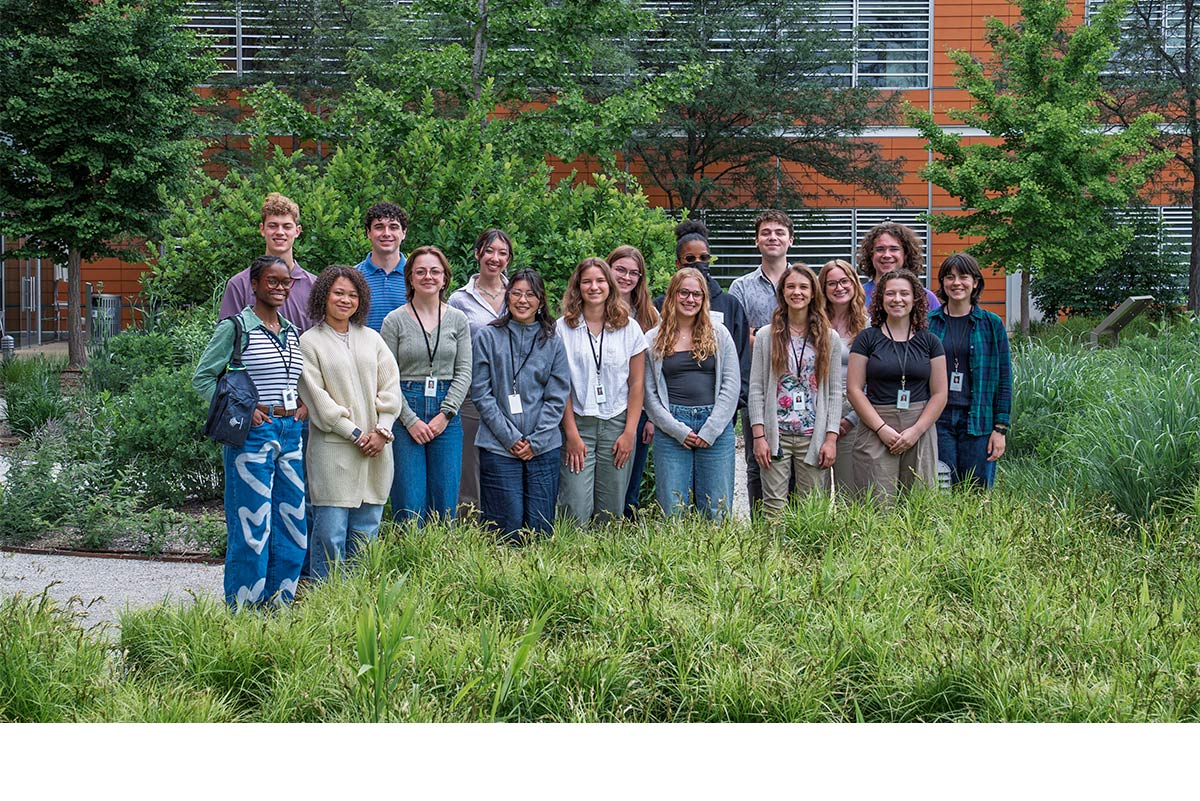
Fostering the next generation of plant scientists is critical to solving some of our planet’s biggest challenges. For ten weeks each summer, students in our Research Experience for Undergraduate (REU) and other summer internship programs are immersed in a rich research environment that lays the foundation for a career in plant science. We collectively refer to these programs as Field and Laboratory Learning in Plant Science (FLLiPS).
Our FLLiPS program gives students experience with all aspects of modern scientific research, from design to experimentation to reporting. Faculty, mentors and staff provide insight into the personal characteristics that make a good researcher, the process and training involved to become a scientist, and the broader impact of scientific discovery. The program is made possible through generous support from the National Science Foundation (NSF), other federal agencies, and private donors.
What You'll Do:
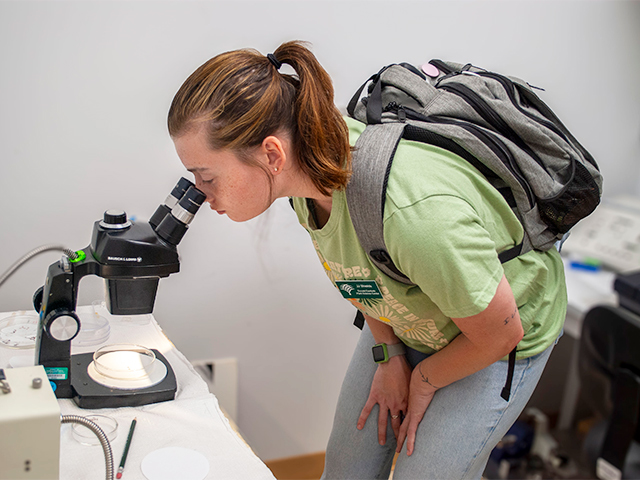
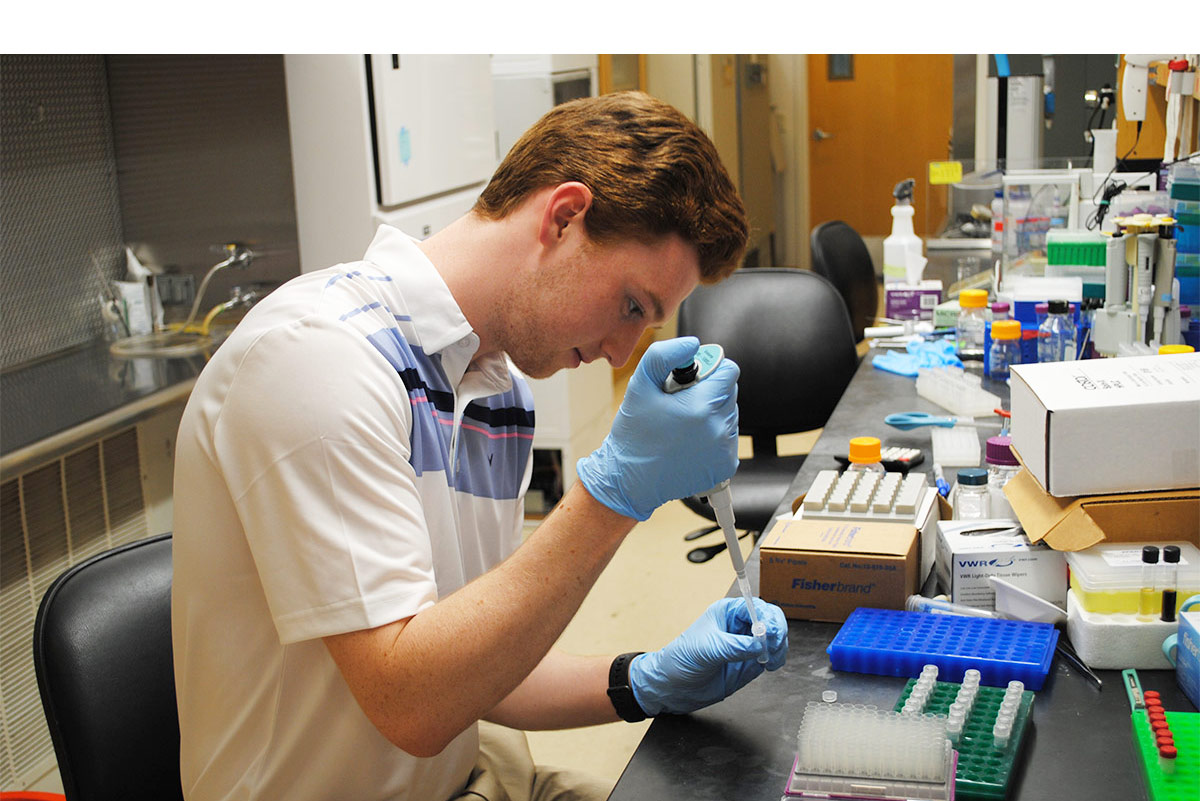
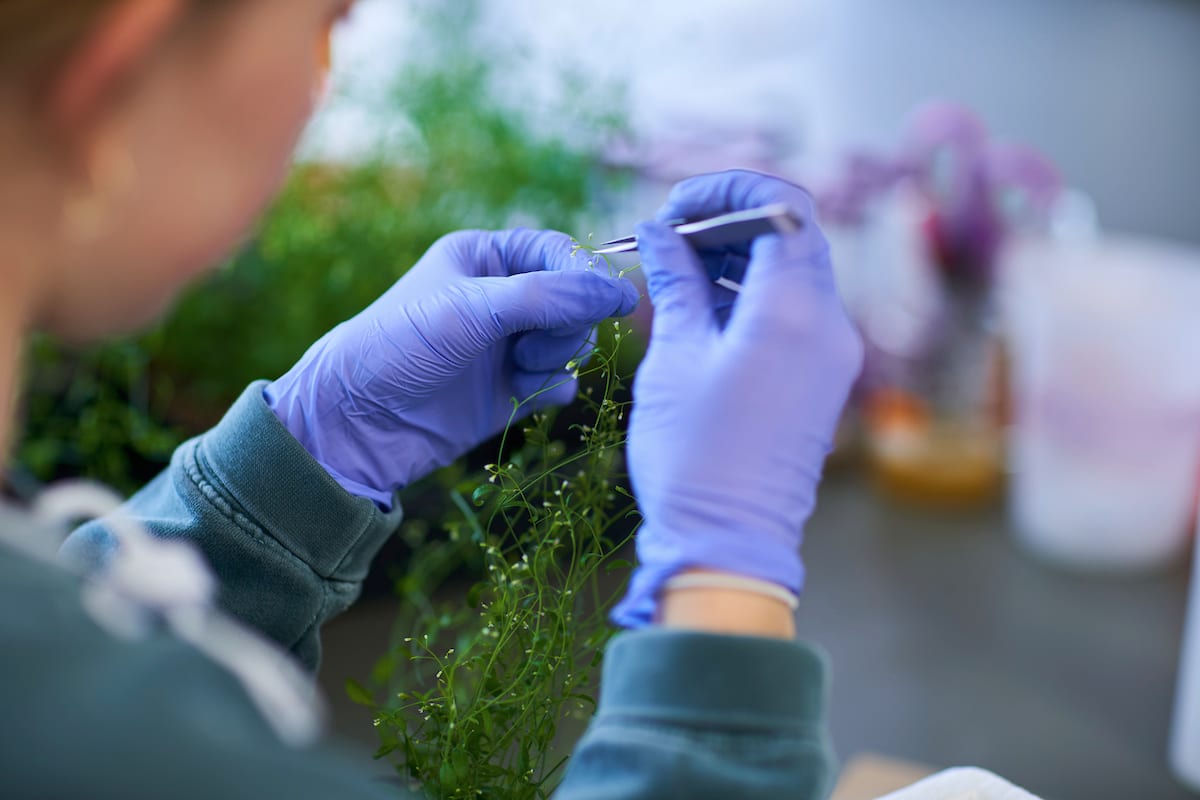
- Gain hands-on experience in the lab and learn the use of a variety of technologies for research.
- Work on a research project with their mentor. Visit our research areas page to learn more about our mentors and their specific research focus.
- Attend workshops in the Center’s state-of-the-art core facilities, including Advanced Bioimaging Laboratory, Bellwether Phenotyping Facility, Data Science, Plant Growth Facility, Bioanalytical Chemistry Facility, and Plant Research Site.
- Participate in career pathway discussions with experienced researchers and take field trips to local universities and industries with plant or life science focuses.
- Attend weekly seminars on issues related to biotechnology. These discussions are structured to give students insight into the social, political, and economic implications of current research—and to allow them to share their opinions, as well.
- At the end of the summer session, each intern will present a summary of his/her research before an audience of scientific peers. A brief written report is also required and students will be carefully guided through the process of preparation of the written report and oral presentation. The presentation and report are a vital part of the education of young scientists.
- Participate in a community outreach project, where they will help design and lead a hands-on plant science activity for local K–12 students. This experience allows interns to share their scientific interests while building communication and engagement skills.
What You'll Learn
Students from universities across the nation are matched with a scientist who is a senior researcher at the Danforth Center and have the opportunity to learn about the wide range of research areas, including:
- Beneficial and pathogenic plant-microbe interactions
- Biofortification
- Bioenergy
- Bioinformatics and genomics
- Bioremediation
- Cell Biology
- Cellular Signaling
- Development
- Enabling Technologies
- Metabolic Pathways/Engineering
- Phenotyping
- Plant defense mechanisms
- Plant resilience
- Plant stress biology
- Sustainability
- Translational Plant Science
Learn more about our Research Areas and the cutting-edge research our Principal Investigators are doing within each area.
Before You Apply
Undergraduate Research Program Team

Tessa Burch-Smith, PhD
Co-Director, Associate Member & Principal Investigator

Kirk Czymmek, PhD
Co-Director, Advanced Bioimaging Laboratory Director

Monica Alsup
Senior Administrative Assistant
Contact Us
Donald Danforth Plant Science Center
Attn: Internship Program
975 N Warson Rd, St. Louis, MO 63132
Our undergraduate research program is a Research Experience for Undergraduates (REU) Site sponsored by the National Science Foundation. Other support comes from other government agencies and private donors.
Current Internship Resources