From Marigold Seeds, Mighty Oaks
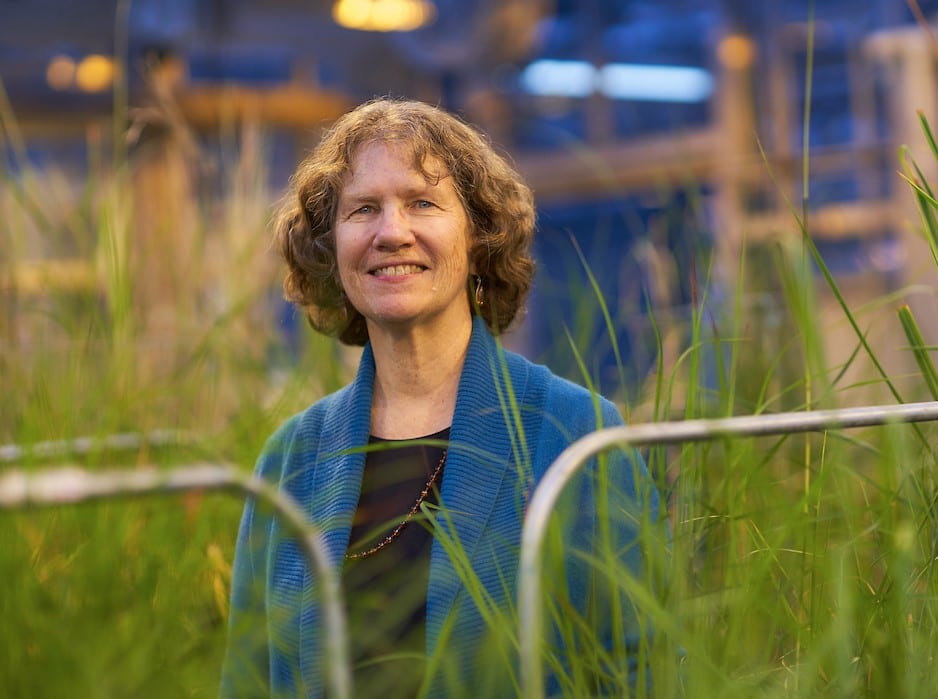
When Toni Kutchan was in second grade, her class in Berwyn, Illinois, planted marigold seeds in pots to learn about germination.
“I took our little marigolds home, and my brother and I planted them in the yard. They flowered, and the next year we planted the seeds we had collected from them, and even more flowers bloomed.” The kids were so excited that the family converted the south side of the garage into a vegetable patch. From those early experiments with marigold, corn, and rhubarb, Toni Kutchan would go on to become a PhD biochemist specializing in the chemicals produced by plants.
“Plants are essential to the health of the planet and our own health. Putting O2 in the air, sequestering carbon, producing building materials, fibers, fuel, food, etc. There is nothing that doesn’t go back to plants--and it turns out, plants make very interesting molecules.”
Better Living through Chemistry
Toni was half-way through her undergraduate chemistry degree when a stint in a research lab opened her eyes to the possibilities of plants. “Perfumes, flavors, dyes, medicines…all of these are interesting and useful. I became interested in trying to develop more renewable sources of these chemicals other than harvesting wild-grown plants.”
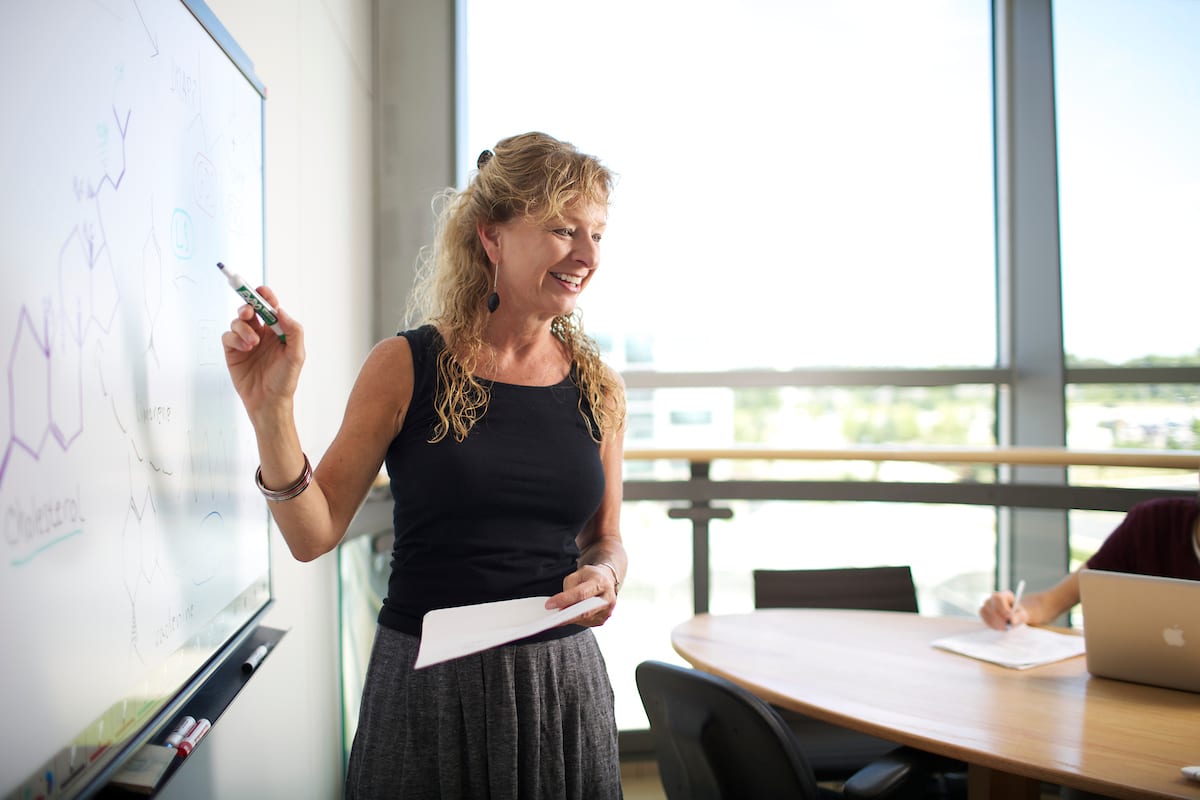
Today, the Kutchan Lab focuses on the many chemicals that plants make. “Plants are stuck, they are sedentary. All of their communication and defense largely comes from chemicals. Caffeine in the coffee you drink, the smell of mint, the colors of curry. These are all plant chemicals. These are in plants as a way to communicate with the environment.”
Schedule One Clearance
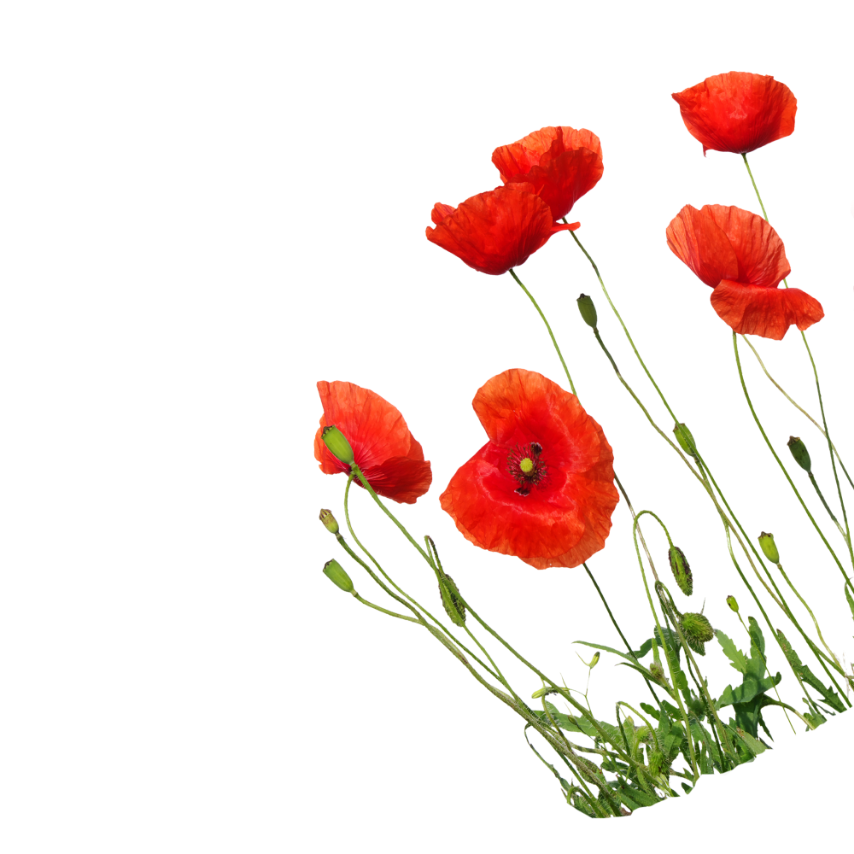
Toni has also become a leading expert in the molecules derived from the opium poppy, including the lifesaving opioid antidote medications. “Production of these drugs creates an industrial waste stream. It’s not good for the people working in the lab, and it creates a nasty waste pond. We have recently discovered a microorganism that can manufacture opiates in a cleaner, more sustainable way. Now we’re looking for industrial partners who can help us transform this lab work into an industry process.”
As a recipient of federal research grants, the Danforth Center is prohibited from working on medical cannabis. However, Missouri recently legalized the production of industrial hemp, a crop which was king in Missouri in the late 1800s and which produces high-quality fiber useful in many products, such as textiles, rope, paper, and cosmetics. The Danforth Center and the Kutchan Lab are already forming partnerships. “With the cutting-edge technology and infrastructure at the Danforth Center, we can accelerate the breeding and help reestablish this useful cash crop in the state of Missouri. Hemp has been illegal for 100 years. We are now attempting to go from zero to introducing a modern crop.”
To the Future
Toni credits training the next generation of scientists as a very rewarding part of her work at the Danforth Center and adds: “Training the up-and-coming generations is so important, making sure they have broad interests and perspective. Together, we can make the world a better place, safer, more sustainable. By unlocking the secrets of plants, we will make peoples’ lives better—and that’s a good feeling.”